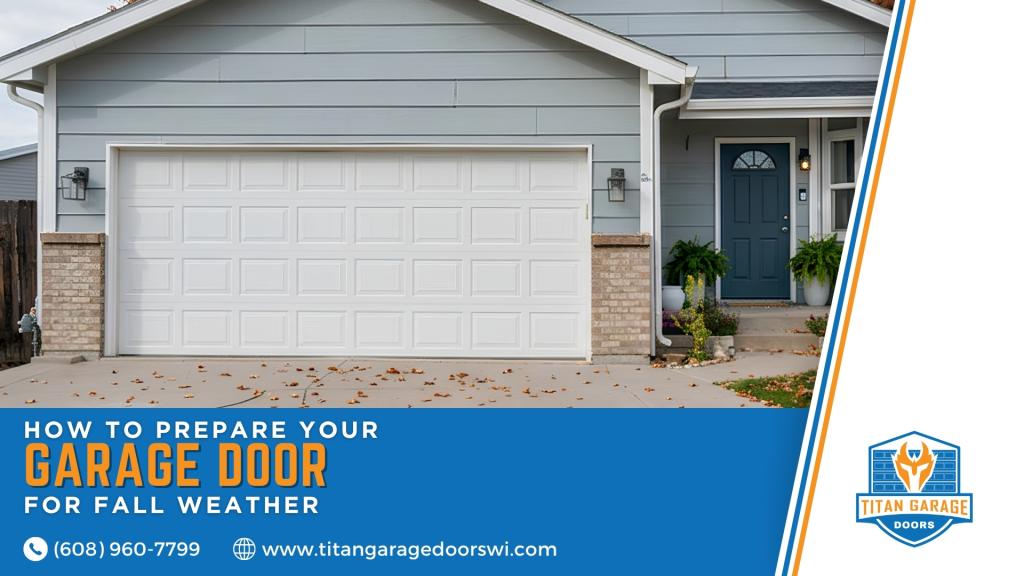
Fall can sneak up fast in Wisconsin. One week, your garage feels warm from summer afternoons. A few weeks later, cold air starts slipping under the door, leaves collect near the tracks, and the opener sounds a little more strained in the morning. That is why a garage door tune up before fall is such a smart move. It helps your door handle colder weather, heavier daily use, and the messy season between summer heat and winter snow.
For homeowners in Stoughton, WI, a working garage door matters every day. Whether you live near Downtown Stoughton, close to Lake Kegonsa, or in a nearby neighborhood, your garage often protects your car, tools, storage bins, and main entry into the home. When the weather changes, small garage door issues can become more noticeable.
Before looking at the specific parts of your garage door, it helps to understand why a seasonal tune up matters so much before Wisconsin’s colder weather arrives.
Why a Garage Door Tune Up Matters Before Fall
A garage door works hard during seasonal changes in Wisconsin. Summer heat can dry out lubrication and wind can push dust and debris into the tracks. Then fall brings cooler mornings, rain, leaves, and more moisture. When you schedule a garage door tune up before colder weather settles in, you give the door a better chance to work smoothly through the season. You also catch minor issues before they turn into urgent repairs.
Think about your morning routine. Do you need the door to open quickly before work or school drop-off? Do you use the garage as your main entrance? If the answer is yes, seasonal garage door maintenance can help you avoid a frustrating surprise.
A tune up can help with:
- Smoother opening and closing
- Quieter daily operation
- Better weather sealing
- Less strain on the opener
- Earlier detection of worn parts
- Fewer emergency repair calls
The goal is simple. You want your garage door ready before fall weather puts it to the test.
Garage Door Tune Up Checklist for Homeowners
A fall garage door tune up works best when you check the door in a clear order. Start with what you can see and hear from the ground. Then move into simple cleaning, lubrication, and safety checks. If anything looks unsafe, stop and call a trained technician.
Step 1: Watch How the Garage Door Moves
Open and close the garage door while standing at a safe distance. Look for shaking, jerking, dragging, or uneven movement. A smooth door should travel without tilting or struggling on one side.
Step 2: Listen for Unusual Garage Door Sounds
Pay attention to squeaking, grinding, rattling, or popping sounds. These noises can point to dry parts, worn rollers, loose hardware, or opener strain. If the sound gets worse each week, do not ignore it.
Step 3: Inspect the Garage Weather Seal
Check the bottom seal while the door is closed. Look for cracks, gaps, flattened rubber, or daylight under the door. A worn garage weather seal can let in cold air, leaves, water, and pests during fall.
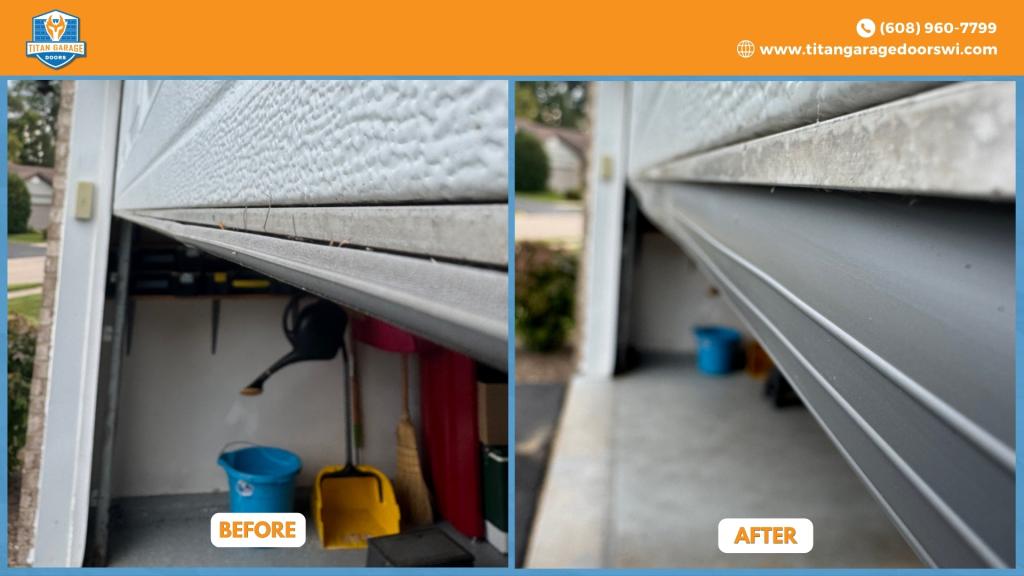
Step 4: Clear Dirt and Leaves From the Track Area
Use a dry cloth to wipe visible dirt, dust, and small debris from the track area. Fall leaves and grit can collect near the door and make movement rougher. Do not place your fingers near moving parts or loosen any track brackets.
Step 5: Check the Garage Door Rollers
Look at the rollers from a safe distance. Watch for rust, cracks, wobbling, or rollers that do not move smoothly. If the rollers look damaged, schedule garage door service instead of trying to remove them yourself.
For more guidance, read our related post on garage door roller maintenance.
Step 6: Add Garage Door Lubrication Carefully
Use a garage-door-safe lubricant on moving parts that need it, such as hinges and roller stems. Apply a light amount because too much product can collect dirt. Avoid thick grease on the tracks because it can create buildup.
Step 7: Look for Loose Hinges and Hardware
Check whether hinges, brackets, or screws look loose or shifted. Garage doors vibrate every time they move, so hardware can loosen over time. Do not tighten or adjust anything connected to cables, springs, or bottom brackets.
Step 8: Test the Opener Response
Watch how the opener reacts when you press the remote or wall button. The door should respond without hesitation, stopping halfway, or straining. If the opener sounds like it is working too hard, the door may need a professional garage door opener service.
Step 9: Clean and Check the Safety Sensors
Make sure the safety sensors near the bottom of the tracks face each other clearly. Wipe dust from the lenses and move boxes, tools, or leaves out of the way. If the door keeps reversing for no clear reason, the sensors may need adjustment.
Step 10: Check Remote and Keypad Performance
Test your remotes and keypad before colder weather arrives. Weak batteries, delayed response, or inconsistent opening can become more frustrating during fall and winter. Replacing batteries now can save you trouble later.
Step 11: Review Garage Door Insulation and Drafts
Stand inside the garage with the door closed and look for cold drafts or light around the edges. Poor garage door insulation, worn seals, or thin panels can make the garage less comfortable as temperatures drop. If the garage connects to your home, this check matters even more.
Step 12: Schedule a Professional Fall Tune Up
Call for service if the door shakes, sounds rough, feels heavy, or does not close properly. A technician can inspect the rollers, tracks, hinges, opener, weather seal, and safety features. This final step helps catch problems before they turn into emergency garage door repair.
After you complete these steps, you will have a clearer idea of how ready your garage door is for fall weather. If anything feels off, a fall tune up from Titan Garage Doors WI can help you fix the issue before colder Wisconsin weather makes it worse.
Know When to Call for Garage Door Repair in Wisconsin
Some fall maintenance tasks are safe for homeowners to handle. Others require professional help to complete safely and correctly.
Call for expert garage door service if you notice:
- The door shakes or moves unevenly.
- The opener sounds strained.
- The door reverses for no clear reason.
- The rollers look cracked or rusty.
- The weather seal has large gaps.
- The door makes grinding or popping sounds.
- The door will not open or close fully.
These signs can point to worn parts, balance issues, track problems, or opener trouble. Fast garage door repair in Wisconsin can help prevent a small issue from becoming an emergency garage door repair later.
FAQs About Scheduling a Garage Door Tune Up
How often should Wisconsin homeowners schedule a garage door tune up?
Most homeowners should schedule a garage door tune up once a year. Fall is a smart time because it gives you a chance to fix small issues before colder weather, snow, and heavier seasonal use arrive.
What is the best time to book fall garage door service?
Late summer or early fall is usually best. You want to schedule service before the first hard freeze, when worn parts, weak seals, and opener strain can become more noticeable.
Can a tune up help an older garage door last longer?
Yes, regular maintenance can help an older door run better for longer. A tune up can catch loose hardware, dry moving parts, worn rollers, and seal problems before they create bigger damage.
Should detached garages still get seasonal garage door maintenance?
Yes, detached garages can still benefit from seasonal maintenance. Even if the garage does not connect to the home, the door still deals with moisture, wind, debris, temperature changes, and daily wear.
What should I do if my garage door freezes to the ground?
Do not keep pressing the opener button. That can strain the opener or damage the bottom seal. Clear away snow and ice carefully, then call for garage door service if the door still will not move or if the seal looks damaged.
Stay Ahead of Fall Garage Door Problems
A garage door tune up is one of the easiest ways to get ahead of seasonal problems before colder weather settles in. Instead of waiting for the door to get noisy, uneven, or harder to open, homeowners can take a few simple steps each month to keep the system in better shape. Small checks in early fall can help you avoid larger repairs later in the season.
That is why it helps to break fall maintenance into simple monthly tasks. September is a good time to inspect and clean. October is the right time to lubricate moving parts and check the weather seal. November is when homeowners should focus on cold-weather readiness before winter arrives.
Use the quick monthly guide below as a simple fall garage door tune up reminder for September, October, and November.
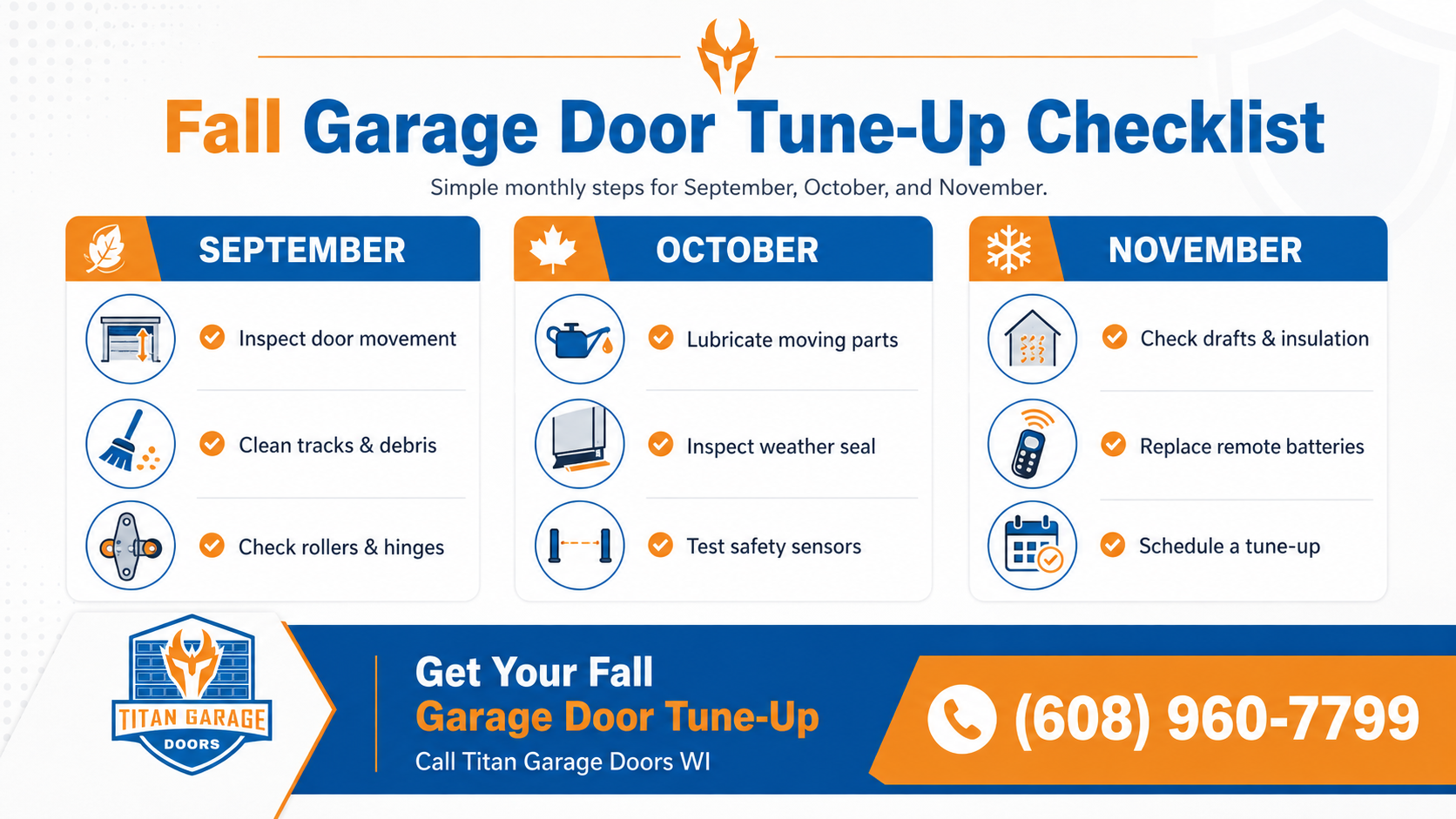
This kind of monthly checklist gives homeowners an easy way to stay on top of seasonal garage door maintenance without feeling overwhelmed. If your garage door still sounds rough, feels heavy, or does not close properly after these checks, it may be time to schedule professional service.
Schedule Your Fall Garage Door Tune Up
Do not wait until the first cold morning to find out your garage door needs attention. If the door sounds louder than usual, moves unevenly, lets in drafts, or makes the opener work harder, a fall tune up can help catch the problem early.
Titan Garage Doors WI helps Stoughton-area homeowners get their garage doors ready for cooler weather, heavier use, and the season ahead. Our certified team can inspect the rollers, tracks, hinges, opener, weather seal, and safety features, then explain what needs service in clear, simple terms.
Call (608) 960-7799 today to schedule your free consultation with Titan Garage Doors WI and keep your door running smoothly before Wisconsin weather gets colder.