HAVE ANY QUESTIONS?
 15 YEARS OF EXPERIENCE

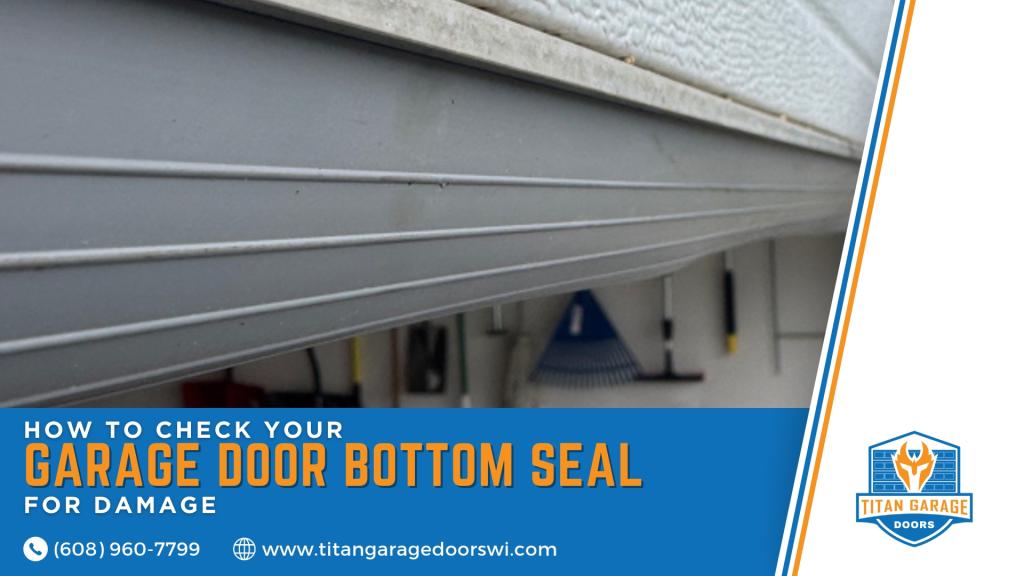
A cold draft near your garage door might not seem like a big problem until November arrives. As temperatures drop in Stoughton, WI, even a small gap beneath the door can become more noticeable. You may find leaves inside, feel cold air around your feet, or notice damp spots near the entrance after rain. Your garage door bottom seal helps keep those problems outside. However, years of opening, closing, and exposure to Wisconsin weather can wear down the rubber.
Here’s how to check its condition and recognize when it needs attention.
Why Your Garage Door Bottom Seal Matters in Wisconsin
The garage door rubber seal runs along the lower edge of your door. When the door closes, the flexible material compresses against the concrete to reduce openings where cold air, water, dirt, and pests can enter.
November’s falling temperatures make damaged seals especially noticeable. Cold air can move through gaps that barely caught your attention during summer, while rain and early snow may leave moisture around the garage entrance. For homeowners near Downtown Stoughton, Lake Kegonsa, and surrounding neighborhoods, checking the seal before winter can help prevent uncomfortable drafts and unwanted moisture.
In fact, according to Clopay’s garage door seal guide, homeowners should inspect weatherstripping regularly for cracks, brittleness, gaps, and signs of water entering the garage.
How to Inspect Your Garage Door Bottom Seal for Damage
You don’t need specialized equipment to recognize most signs of wear. A flashlight, clean cloth, and a few minutes of careful observation can tell you quite a bit.
However, before inspecting, make sure your garage door is fully closed and stable. Keep children and pets away from the opening, and never place your fingers underneath the door or touch its springs, cables, or bottom brackets.
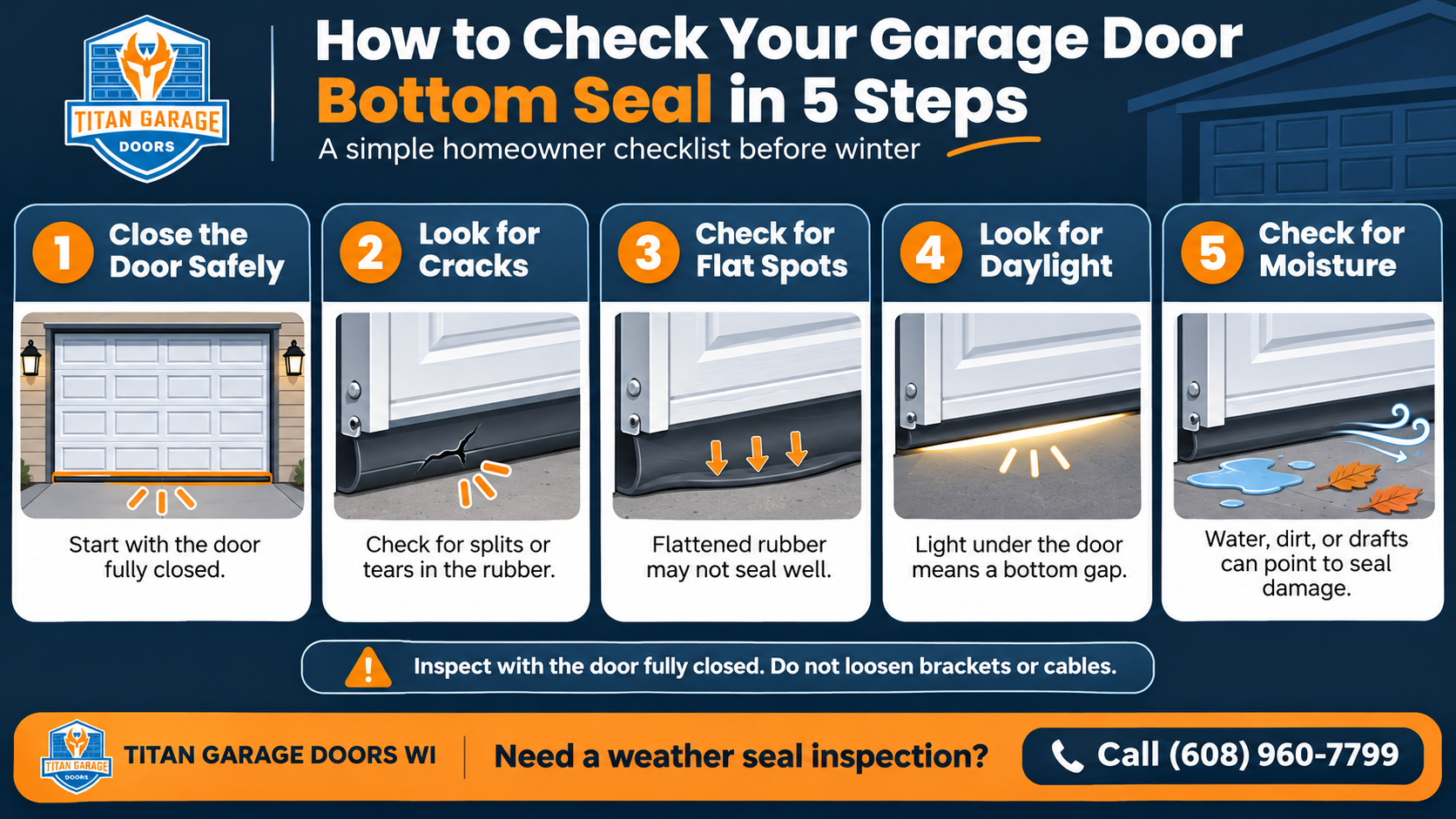
Once the door is safely closed, work through these five checks:
1. Look for Cracks and Tears in the Garage Door Rubber Seal
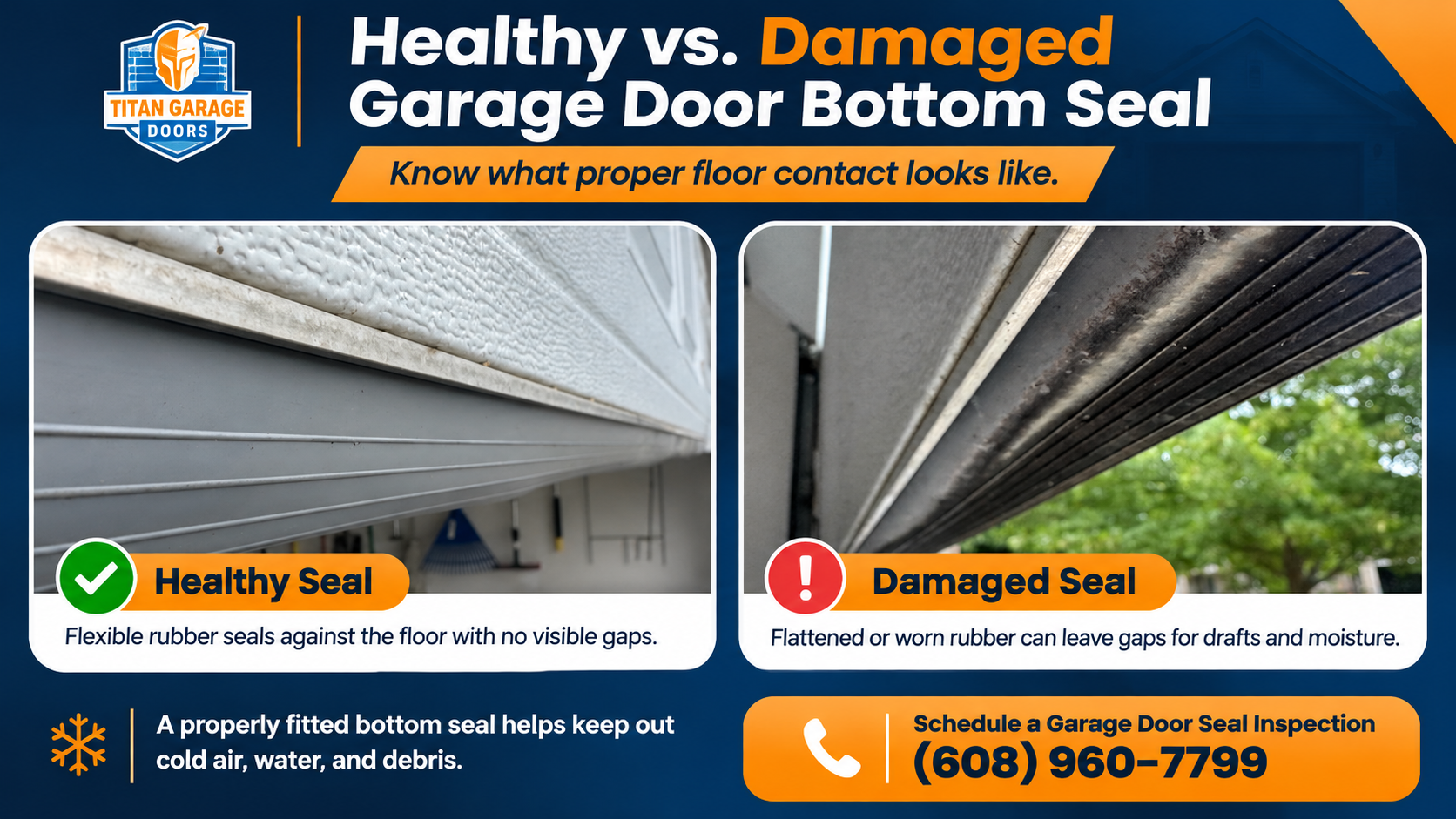
Start by examining the visible rubber along the bottom edge of the closed door, preferably from outside. A healthy seal should look continuous, without large splits or missing sections. Over time, sunlight, changing temperatures, and repeated contact with concrete can damage the material.
Watch for these signs:
- Small cracks spreading along the rubber
- Torn or missing sections
- Edges pulling away from the door
- Brittle or visibly deteriorating material
A small surface mark may not affect sealing immediately, but deeper cracks can create openings that let moisture and cold air through.
2. Check for a Flattened or Worn Bottom Seal
Does the rubber look permanently squashed along one section? A garage door bottom seal needs enough flexibility to compress against the floor. When it stays flattened, loses its shape, or becomes brittle, it may no longer fill small spaces along the concrete.
Look across the entire bottom edge rather than focusing only on the center. Corners often deserve extra attention because uneven floor contact can leave them exposed. If the material looks crushed or no longer maintains contact with the floor, replacement may be necessary.
3. Look for Daylight Under the Closed Garage Door
One of the easiest ways to identify a garage door bottom gap is to look for daylight. During the day, stand inside your closed garage and look toward the lower edge of the door. You may find the gap easier to see with the garage lights switched off.
A narrow line of light near one corner may indicate a worn seal, but it could also mean the concrete floor is uneven. Larger gaps along the length of the door deserve closer attention.
However, avoid adjusting the opener’s closing force to make the door press harder against the floor. Excessive force can damage the door and interfere with safe operation.
4. Check for Water, Dirt, and Garage Door Drafts
Sometimes, the rubber looks acceptable from outside, yet the garage tells a different story. After rain or windy weather, inspect the floor near the entrance. Recurring moisture, dirt, and leaves can indicate that the weather seal no longer provides enough protection.
You might notice:
- Water stains or damp concrete near the door
- Leaves collecting just inside the entrance
- Cold air entering beneath the closed door
- Insects finding their way through visible gaps
Keep in mind that water can also enter because of driveway slope or drainage problems. A new seal won’t necessarily solve every moisture issue.
5. Inspect the Seal’s Position Along the Bottom Edge
Many garage doors hold their rubber seals inside a metal channel called a retainer. This channel keeps the material in place as the door opens and closes.
From a safe position, look for sections where the rubber appears to have slipped out, folded, or separated from the bottom edge. If the retainer looks bent or damaged, avoid pulling on the seal or trying to straighten the metal yourself. Some bottom hardware connects to cables under high tension.
A technician can check the seal’s fit and determine whether the rubber, retainer, or another component needs repair.
Does Garage Door Seal Damage Always Mean Replacement?
Not necessarily. The right solution depends on what your inspection reveals. If leaves or dirt have collected around an otherwise intact seal, gentle cleaning may be enough. Use a soft cloth and mild soapy water on safely accessible surfaces while the door remains closed.
However, cleaning won’t restore rubber that has become cracked, permanently flattened, or brittle. A visible garage door bottom gap also doesn’t automatically mean the seal caused it. Uneven concrete, damaged bottom hardware, or a door that doesn’t close squarely can create similar symptoms.
Professional garage door repair services may be necessary when the door itself sits unevenly or won’t close properly. Replacing the rubber alone won’t correct those mechanical problems.
Our previous guide, DIY Garage Door Repair vs Professional Emergency Service, explains which homeowner checks are reasonable and when professional repair becomes the safer choice.
How Titan Garage Doors WI Handles Weather Seal Problems
At Titan Garage Doors WI, we look beyond the visible rubber to understand why a garage door isn’t sealing properly.
During a weather seal inspection, our technicians can check the material’s condition, how the door meets the concrete, and whether the bottom retainer remains secure. If we find additional issues affecting the door’s movement or alignment, we’ll explain what needs attention before recommending repairs.
We’ve handled these problems for local homeowners. In one of our garage door service projects in Stoughton, WI, a homeowner dealt with cold drafts, dirt, and rainwater entering beneath the door. Our team installed a replacement bottom seal and tested the door to confirm proper floor contact and smooth operation.
For ongoing care, our garage door maintenance services help homeowners check weather seals alongside other important door components.
How Often Should You Check Your Garage Door Bottom Seal?
A quick inspection every few months can help you catch wear before it becomes a bigger concern. It’s especially useful to check before November’s colder weather and again after winter. Keep the area around the door free of dirt and debris, and watch for changes in how the seal meets the floor.
If your garage starts feeling draftier or you notice recurring moisture, don’t assume the rubber simply needs cleaning. An inspection can determine whether the issue involves worn weatherstripping, uneven concrete, or another part of the garage door.
For more preventive care advice, read our Garage Door Maintenance Cost Guide for Wisconsin Homes.
FAQs About Garage Door Bottom Seal Damage
How can I tell if my garage door bottom seal is bad?
Look for cracks, flattened rubber, visible daylight gaps, and moisture or dirt entering beneath the closed door. These signs can indicate damage or poor floor contact.
Can cold weather damage a garage door rubber seal?
Yes. Cold temperatures can make some rubber and vinyl materials less flexible, especially when they have already aged. An older seal may struggle to maintain contact with uneven concrete.
Will replacing the bottom seal stop garage door drafts?
Replacing a damaged seal can help reduce drafts beneath the door. However, gaps along the sides, uneven flooring, or door alignment problems may require additional attention.
Can I replace my garage door bottom seal myself?
Some seal designs allow straightforward replacement, but the process depends on the door and retainer. Never loosen bottom brackets, cables, or tensioned hardware. Professional service is safer when access requires working near these parts.
How long does a garage door bottom seal last?
Its lifespan depends on the material, weather exposure, and daily use. Rather than relying on age alone, check for visible deterioration and whether the seal still makes proper contact with the floor.
Schedule a Weather Seal Inspection in Stoughton, WI
A damaged garage door bottom seal can leave your garage exposed to cold drafts, moisture, and debris just as Wisconsin heads into winter. If you’re noticing gaps or worn rubber, Titan Garage Doors WI can help identify the problem and recommend the right repair.
Our team provides professional weather seal inspections, garage door maintenance, and repair services for homeowners in Stoughton, McFarland, Fitchburg, and nearby communities. We’ll check the condition of your door, explain your options, and provide a clear estimate before work begins.
We also offer payment plans for qualifying customers on eligible services. You may qualify for our current garage door discounts and offers, too. Visit our website to review the available terms and mention your offer before service begins.
Call (608) 960-7799 today to schedule a garage door inspection with Titan Garage Doors WI and get your garage ready for the colder months ahead.