HAVE ANY QUESTIONS?
 15 YEARS OF EXPERIENCE

Finding a puddle inside your garage after a rainy night is never pleasant. You wipe up the water, but the next storm brings it right back. Could a garage door threshold seal help?
For homeowners in Stoughton, WI, November rain, melting snow, and changing temperatures can make moisture problems more noticeable. A threshold seal may help keep water outside, but it needs the right fit and proper installation. Let’s look at how it works and when it’s worth considering.
What Is a Garage Door Threshold Seal and How Does It Work?
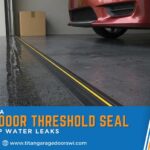
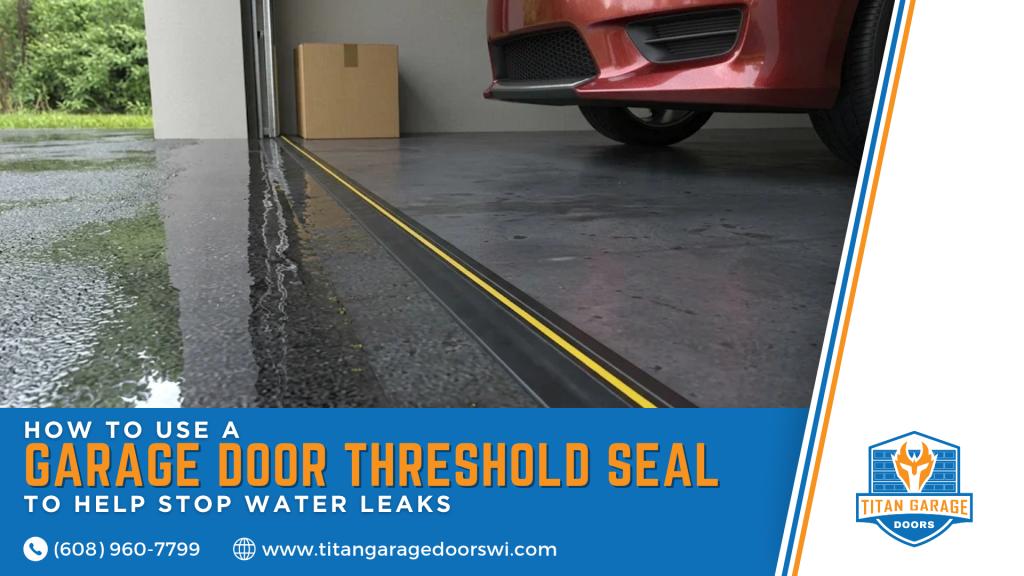
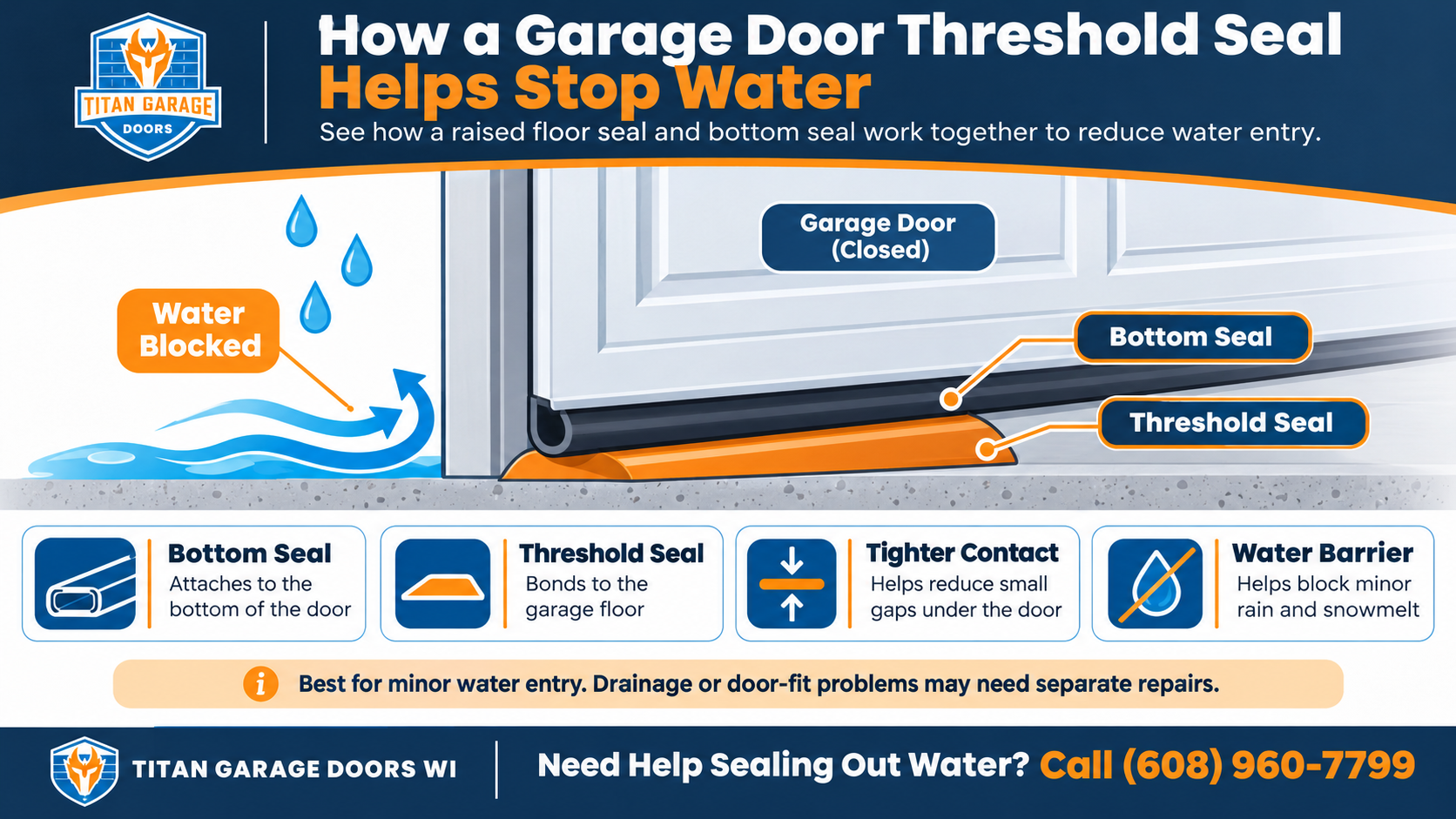
A garage door threshold seal is a raised rubber or vinyl strip that attaches to the garage floor, directly beneath the closed door.
Unlike a regular bottom seal, which attaches to the door itself, the threshold stays in place on the concrete. When you close the door, its bottom weather stripping presses against the raised strip to create a tighter barrier.
This combination can help reduce:
- Rainwater entering beneath the garage door
- Melting snow reaching the garage floor
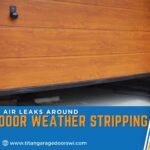
- Cold drafts along the bottom edge
- Leaves, dirt, and small debris blowing inside
However, a threshold seal helps manage minor water entry rather than guaranteeing a waterproof garage. Its effectiveness depends on the door’s condition, the floor, and where the water comes from.
When Does a Garage Door Threshold Seal Make Sense?
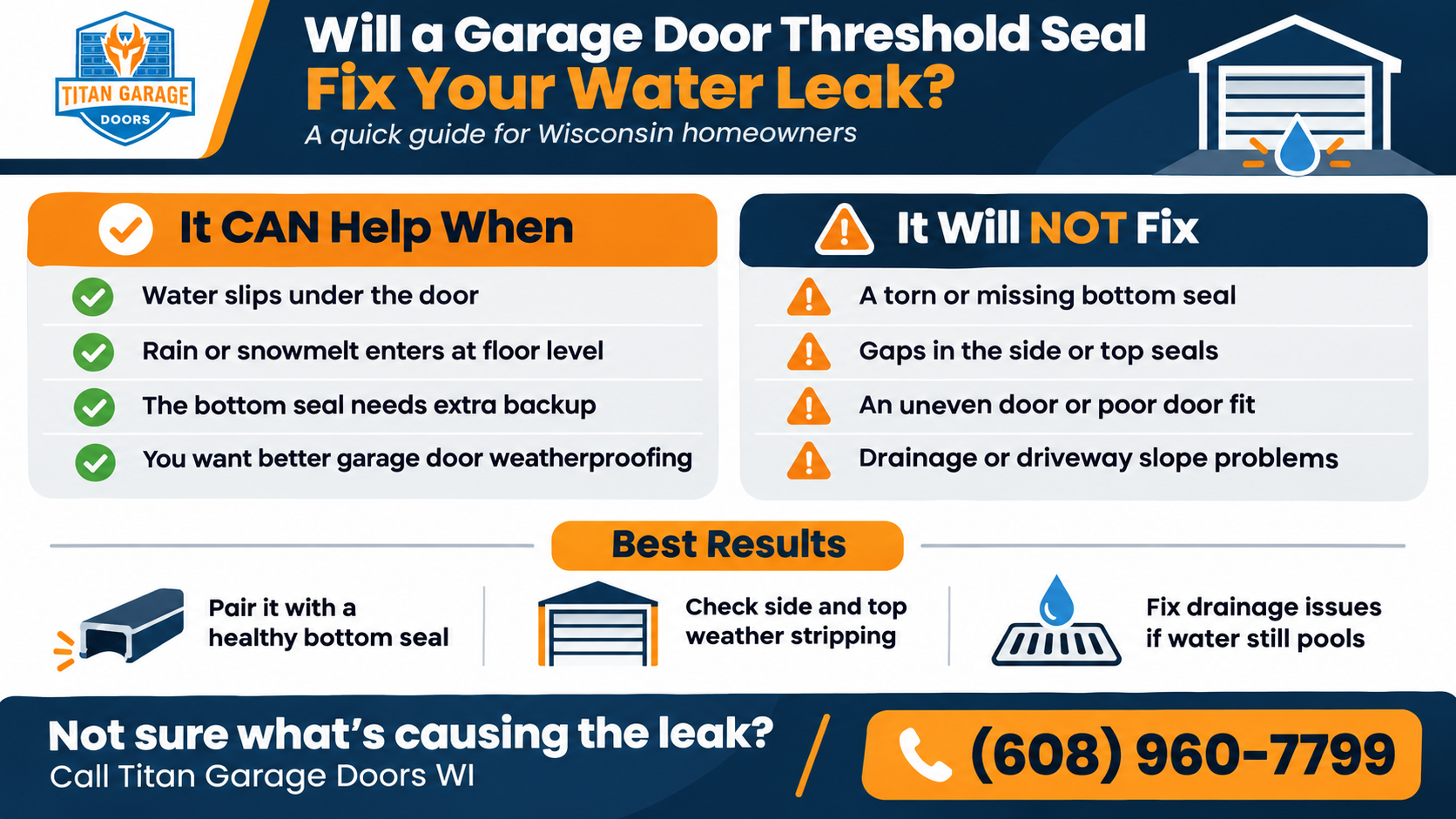
A threshold can be useful when the garage door closes properly, but water still slips beneath its bottom edge. For instance, a homeowner near Downtown Stoughton might notice a thin line of water after wind-driven rain. Another property near Lake Kegonsa may experience similar problems when snow melts outside the garage entrance. In these situations, a garage floor seal may provide an additional barrier.
A threshold is worth considering when:
- Rainwater enters through a small gap beneath the door.
- The concrete has minor uneven areas near the opening.
- The existing bottom seal needs better floor contact.
- Water reaches the entrance during ordinary rain or snowmelt.
Before installing anything, though, determine whether the problem comes from a gap or water collecting against the garage. That difference matters more than homeowners might expect.
Check These Problems Before Installing a Garage Door Threshold Strip
Not every case of garage door water leaking calls for another seal. Sometimes, the water enters because of problems that a raised rubber strip cannot solve.
Here are the main things to inspect before choosing a threshold:
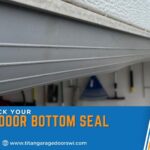
1. Check Your Existing Garage Door Bottom Seal
Start with the rubber attached to the lower edge of your closed garage door. If it has cracks, torn sections, or permanently flattened areas, it may no longer make proper contact with the floor. Adding a threshold without addressing the damaged rubber could leave gaps. Check our previous guide on how to check your garage door bottom seal for damage to learn how to recognize these warning signs safely.
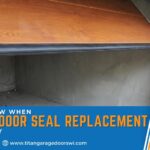
If the material has deteriorated, garage door bottom seal replacement may be the better first step.
2. Look at Where Rainwater Collects
Does water gather directly outside your garage after heavy rain? Pay attention to the direction of runoff. When a driveway slopes toward the garage, rainwater can flow straight to the doorway instead of draining away.
A threshold may reduce minor water entry, but it cannot correct improper drainage or protect against water rising above its height. Persistent pooling may require changes to the driveway slope, drainage system, or surrounding concrete.
3. Check Whether the Garage Door Closes Evenly
Look along the bottom edge while the garage door remains fully closed. Does one corner leave a noticeably larger opening? An uneven garage door may have alignment or hardware problems.
In that case, adding a thicker strip could interfere with normal closing without fixing the original issue. Our garage door seal replacement guide explains why proper door fit matters just as much as the condition of the rubber.
If the door looks crooked or struggles to close, schedule professional garage door repair services before considering a threshold.
How to Install a Garage Door Threshold Seal Properly
Garage door threshold installation requires more than sticking rubber to the concrete. The material must fit the opening, bond securely to the floor, and work with the existing bottom seal.
Installation methods vary by product, so always follow the manufacturer’s instructions. The general process includes these steps:
Step 1: Choose the Correct Threshold Size
Measure the garage opening and check the profile recommended for your door. A threshold that’s too low may leave existing gaps, while an oversized strip could prevent the garage door from closing correctly.
Compatibility with the current bottom weather stripping is especially important.
Step 2: Prepare a Clean, Dry Surface
Threshold adhesive needs a suitable surface to create a lasting bond. Before installation, the concrete must be free of dirt, moisture, oil, and loose material. Cracked or damaged flooring may also require attention.
Many manufacturers specify minimum installation temperatures. For example, some products require temperatures above 40°F, making proper timing important during Wisconsin’s colder months.
Step 3: Position and Secure the Threshold
The garage door threshold strip must sit in the correct position beneath the closed door. An installer checks the fit before applying the manufacturer-approved adhesive, then secures the material according to the product instructions.
However, never adjust springs, cables, bottom brackets, or opener force settings to make the door fit a threshold. If the door doesn’t close properly, a technician should identify the problem first.
Step 4: Allow the Adhesive to Cure
After installation, the adhesive needs time to set before vehicles drive across the threshold. Some products require at least 24 hours, but the actual curing instructions depend on the manufacturer and installation conditions.
Once the seal has cured, check its contact with the closed door and look for remaining gaps. Avoid flooding the area during testing.
What a Garage Door Threshold Seal Cannot Fix
Although a threshold can improve garage door weatherproofing, it has limitations. If heavy rain regularly pools against the garage, the raised strip may not provide enough protection. Water can also enter through wall cracks, side seals, or damaged concrete.
Another concern is drainage from inside the garage. Snow and ice carried in by your vehicle eventually melt. A raised threshold can keep some of that water from draining back toward the driveway, especially when the garage has no floor drain.
Before installing a new seal, consider where water will go after entering the garage on tires or footwear. The right solution may involve improving drainage, replacing a worn garage door seal, or repairing the door rather than installing another barrier.
How to Maintain Your Garage Door Threshold Seal
Once installed, a threshold needs occasional attention to keep working properly.
During routine garage door maintenance, look for loose edges, cracks, and areas where the material has separated from the concrete. Remove dirt and leaves that collect along the strip, and watch for moisture inside after rain.
Avoid using sharp tools to remove ice from the rubber, since they can damage the surface.
If you continue noticing water under the garage door, schedule a garage door inspection rather than repeatedly adding adhesive or sealant.
FAQs About Garage Door Threshold Seals
Will a garage door threshold seal stop all water leaks?
No. It can reduce minor water entry beneath the door, but heavy pooling, poor drainage, and leaks through other openings need separate attention.
Is a threshold seal better than a bottom seal?
They serve different purposes. The bottom seal attaches to the door, while the threshold attaches to the concrete. Some garages benefit from both working together.
Can I install a garage threshold during winter?
Installation depends on the adhesive, concrete condition, and temperature. Many products require clean, dry surfaces and temperatures above a specified minimum.
Does a threshold seal work on uneven concrete?
It may help with minor irregularities, depending on the product. Significant cracks, slopes, or uneven surfaces may require floor repairs.
Can I drive over a garage door threshold seal?
Most residential threshold products are designed for vehicle traffic after proper installation and curing. Always follow the manufacturer’s instructions before driving over a new seal.
Schedule a Garage Door Seal Inspection in Stoughton, WI
Water entering your garage can become especially frustrating when November rain turns into snow and freezing temperatures. If moisture keeps appearing beneath your door, Titan Garage Doors WI can help identify what’s causing it.
Our team provides professional weather seal inspections, garage door maintenance, and repair services for homeowners in Stoughton, McFarland, Fitchburg, and nearby Wisconsin communities. We’ll assess the door’s condition, explain whether a garage door threshold seal makes sense, and provide a clear estimate before beginning approved work.
We also offer payment plans for qualifying customers on eligible services. You may qualify for our current garage door discounts and offers. Visit our website to review available promotions and terms, and mention your offer before service begins.
Call (608) 960-7799 today to request a professional garage door seal and threshold inspection from Titan Garage Doors WI before winter moisture becomes a bigger problem.